ALSONSHARDWARE
Rubber Fender Refurbishment and Replacement at Port Jetty
Client SectorPort Terminal Authority & Commercial Cargo Berths
Site LocationCommercial Port Jetty Berths, Karachi
Turnaround Duration24 Days Turnkey
Quality VerificationCertified Handover
1 / 4
Technical Authority // Field Context
Project Scope & Operational Context
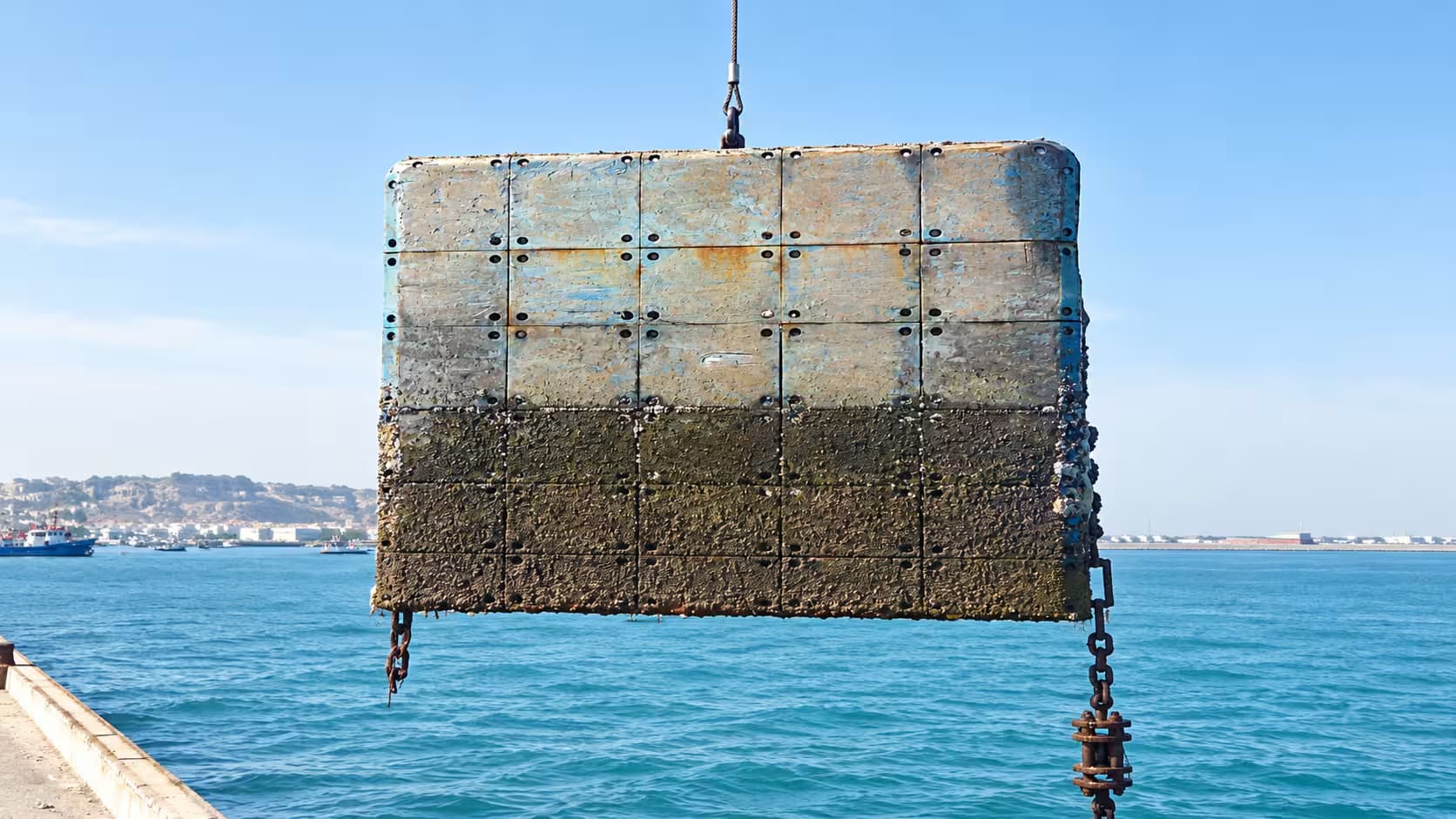
At an active commercial port jetty in Karachi waters, Alsons Hardware was contracted to execute the turnkey dismantling, structural refurbishment, and replacement of degraded marine rubber fendering systems. Decades of heavy cargo vessel berthing, seawater chemical corrosion, and tidal swell impacts had cracked and delaminated existing rubber buffers, corroded mounting anchor plates, and sheared restraint chains, posing critical risks of vessel hull puncture and catastrophic concrete quay wall fracture.
Our specialized marine engineering and rigging crew deployed heavy mobile cranes and floating work pontoons to safely unbolt and extract aged fender assemblies. We sandblasted mounting embedment plates to SSPC-SP 10 near-white metal, applied heavy marine epoxy primers, reinforced suspended steel frontal panels with low-friction UHMW-PE wear facing shields, and installed new high-hysteresis cylindrical and cone rubber fendering units secured with Grade 80 hot-dip galvanized tension chains and marine Grade 316 stainless fasteners torqued to calibrated engineering tolerances.
This port jetty rubber fender refurbishment project demonstrates Alsons Hardware's authoritative capabilities in marine terminal defense, heavy dockside rigging, and port maintenance across Pakistan. Beyond jetty fender replacement, our specialized marine engineering divisions provide turnkey port infrastructure services—including offshore dolphin pile fendering, floating pneumatic balloon fender rigging, marine pile jacketing, dock bumper maintenance, bollard pull proof testing, and underwater structural rehabilitation across Karachi Port Trust (KPT), Port Qasim Authority (PQA), Gwadar Port, naval dockyards, and offshore industrial berths nationwide.
Client SectorPort Terminal Authority & Commercial Cargo Berths
Site LocationCommercial Port Jetty Berths, Karachi
Turnaround24 Days Turnkey
HandoverCertified
TECHNICAL METROLOGY // AUDITED BENCHMARK
Technical Metrology & Quality
Engineering Properties & Standards
Calibrated mechanical tolerances, material benchmarks, and regulatory compliance standards verified on-site:
Refurbishment Scope
Complete dismantling, panel restoration, and new rubber buffer installation
Fender Unit Profile
High-hysteresis cylindrical and cone marine rubber buffers
Frontal Shield Facing
UV-resistant UHMW-PE low-friction pads (friction coefficient ≤ 0.15)
Tension Hardware
Grade 80 hot-dip galvanized (HDG) marine restraint chains and shackles
Mounting Hardware
Marine Grade 316 stainless steel studs with anti-vibration locking nuts
Governing Standards & Codes
PIANC Guidelines for the Design of Marine Fender Systems • ASTM D2000 Rubber Material Classification • SSPC-SP 10 Near-White Blast Cleaning
Diagnostic Analysis
Engineering Challenge & Deployed Resolution
Diagnostic failure mechanisms analyzed on-site and the turnkey engineered countermeasure deployed by Alsons Hardware.
BERTHING HAZARDFAILURE MECHANISM
Degraded Jetty Fendering & Concrete Shear Risk
Aged jetty fenders suffered from deep elastomeric cracking, corroded anchor studs, and damaged frontal shields, creating severe berthing hazard for approaching commercial cargo vessels.
•Cracked and hardened rubber unable to dissipate multi-thousand DWT berthing energy
•Corroded anchor fasteners threatening total detachment of frontal shield panels into sea
•Direct vessel hull collision risk against unbuffered reinforced concrete quay wall
ALSONS MARINE RESTORATIONDEPLOYED RESOLUTION
Refurbished Shield Panels & Cylindrical Rubber Buffers
Executed turnkey dismantling, refurbished steel frontal panels with low-friction UHMW-PE shields, and installed new high-hysteresis cylindrical rubber fenders with Grade 80 HDG chains.
✓Heavy crane uncoupling and safe extraction of fatigued legacy fender assemblies
✓Frontal steel frames fitted with UV-stabilized UHMW-PE low-friction wear shields
✓Grade 80 hot-dip galvanized tension chains securing cylindrical rubber buffers
VERIFIED SITE OUTCOME:Complete restoration of jetty berthing safety with zero downtime to adjacent cargo berths.
Engineering Sequence
4-Stage Execution Workflow & Milestones
Executed in strict accordance with Alsons Hardware industrial standard operating procedures and site safety protocols:
01
STAGE // 01SITE ASSESSMENT & RIGGING
Aged Fender Inspection & Crane Extraction
Assessed damaged fendering units, established tidal rigging protocols, and mobilized heavy cranes to safely unbolt and extract aged rubber assemblies.
Safe Extraction & Structural Audit Log
02
STAGE // 02SURFACE PREPARATION
Quay Embedment Sandblasting & Anchor Repair
Grit-blasted embedded steel mounting plates to SSPC-SP 10, applied marine epoxy coating, and proof-tested high-tensile concrete chemical anchor studs.
Substrate Cleanliness & Anchor Proof-Test Passed
03
STAGE // 03PANEL REFURBISHMENT
Frontal Shield Rigging & UHMW-PE Mounting
Refurbished heavy steel frontal panels, fitted virgin UHMW-PE low-friction pads, and aligned suspended panels using certified crane rigging tackle.
Frontal Panel Alignment & Friction Certification
04
STAGE // 04TENSIONING & COMMISSIONING
Grade 80 Chain Tensioning & Final Berth Handover
Tensioned hot-dip galvanized Grade 80 restraint chains, torqued all Grade 316 marine studs with hydraulic equipment, and signed off berth handover.
Berthing Face Commissioning Certificate
On-Site Field Photography
Field Operations & Site Visual Records
High-resolution photographic documentation captured during turnkey field execution, specialized plant operations, and project delivery.
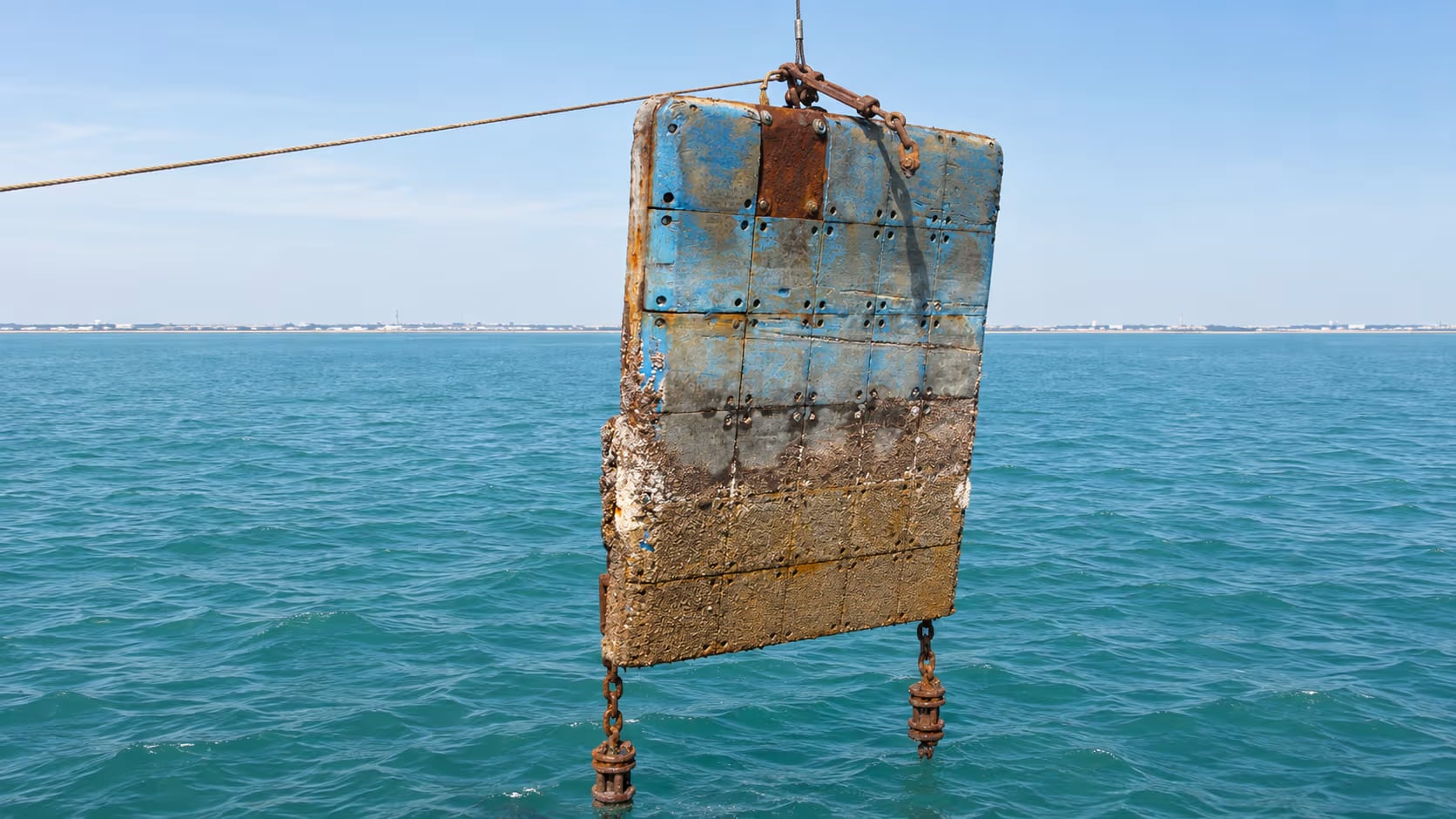
FRONTAL PANEL RIGGINGFIELD REF-01ARCHIVE LOG 01 // FIELD RECORD
Suspended Frontal Panel Alignment
Heavy crane hoisting and alignment of refurbished steel frontal panels equipped with low-friction UHMW-PE wear shields.
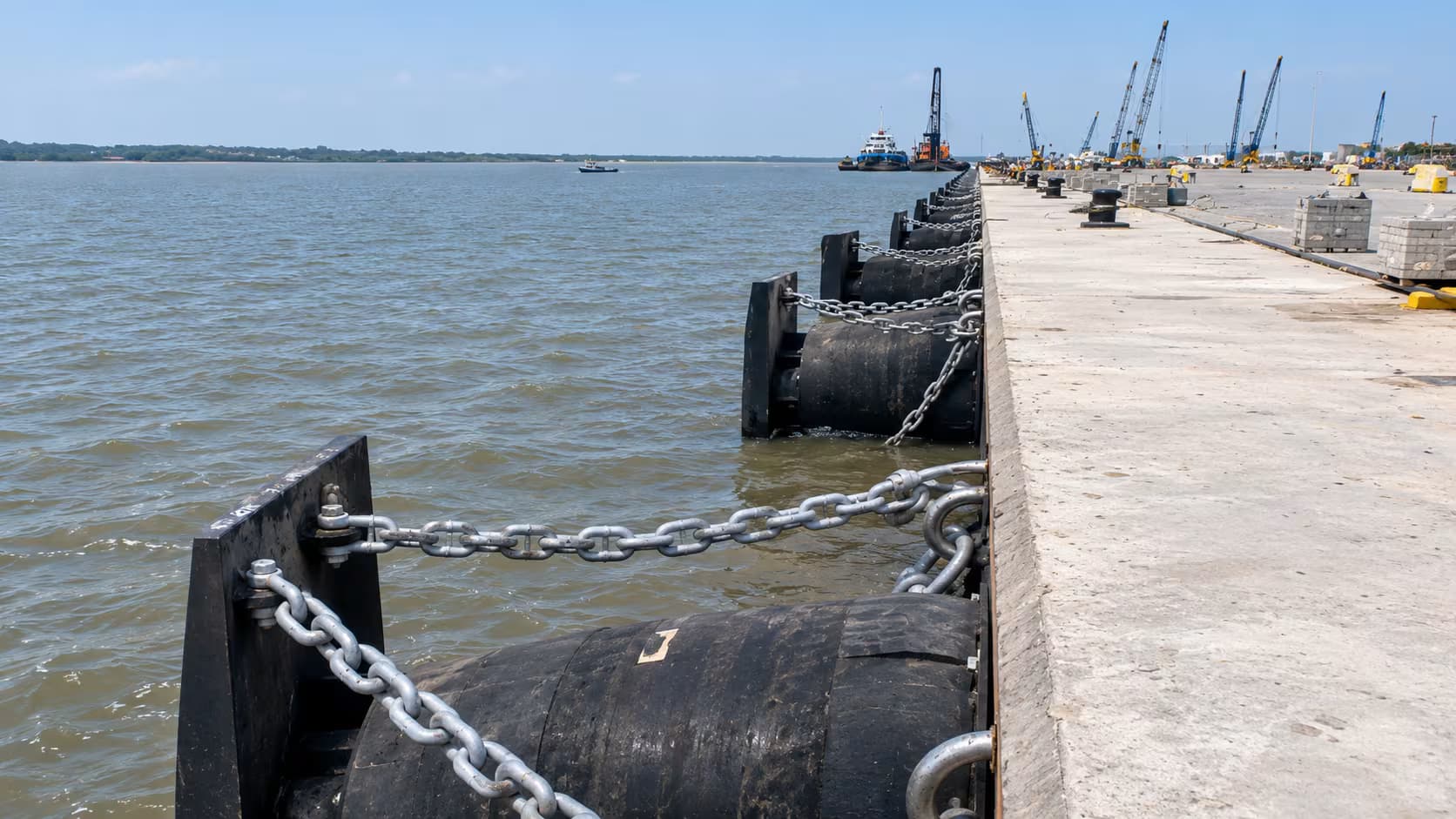 QUAY BERTH COMMISSIONINGFIELD REF-02
ARCHIVE LOG 02 // FIELD RECORD
Quay Wall Fender Tensioning
Grade 80 galvanized tension chains and heavy cylindrical rubber fender units secured along the active quay berthing face.
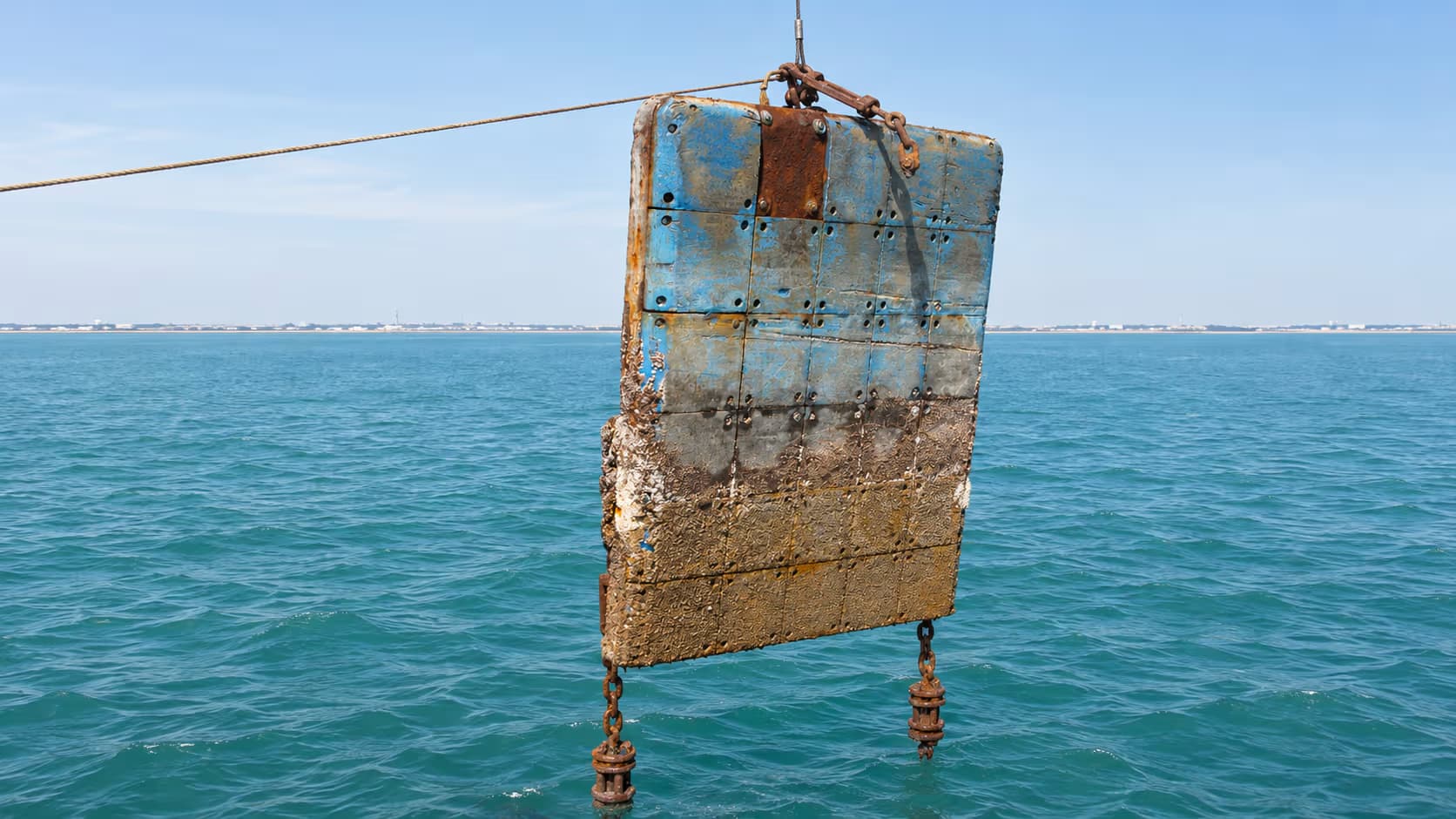 BERTH REHABILITATION QAFIELD REF-03
ARCHIVE LOG 03 // FIELD RECORD
Port Jetty Berthing Face Commissioning
Comprehensive quality verification, load deflection audit, and final client sign-off for restored jetty fendering system.
Technical Advisory & FAQs
Frequently Asked Engineering Questions
Authoritative answers to common procurement, engineering standards, and execution queries regarding rubber fender refurbishment:
What is the process for replacing aged rubber fenders at an active port jetty?
Our marine rigging crew secures the work area, coordinates with port control during tidal slack windows, hoists cranes to support the unit, torches or unbolts corroded fasteners, restores the embedment plate, and mounts new certified fendering components.
How do refurbished steel frontal panels improve berthing safety?
Refurbished frontal panels distribute vessel contact loads across a broad surface area, reducing specific hull pressure below PIANC limits. The virgin UHMW-PE pads eliminate friction damage and spark hazards.
Why are Grade 80 galvanized restraint chains essential for jetty cylindrical fenders?
Restraint chains prevent excessive vertical and angular shear deflection during berthing, preventing rubber tear-off and keeping the fender correctly oriented relative to approaching vessel hulls.
Industrial Portfolio
View All 7 ProjectsExplore More Engineering Projects
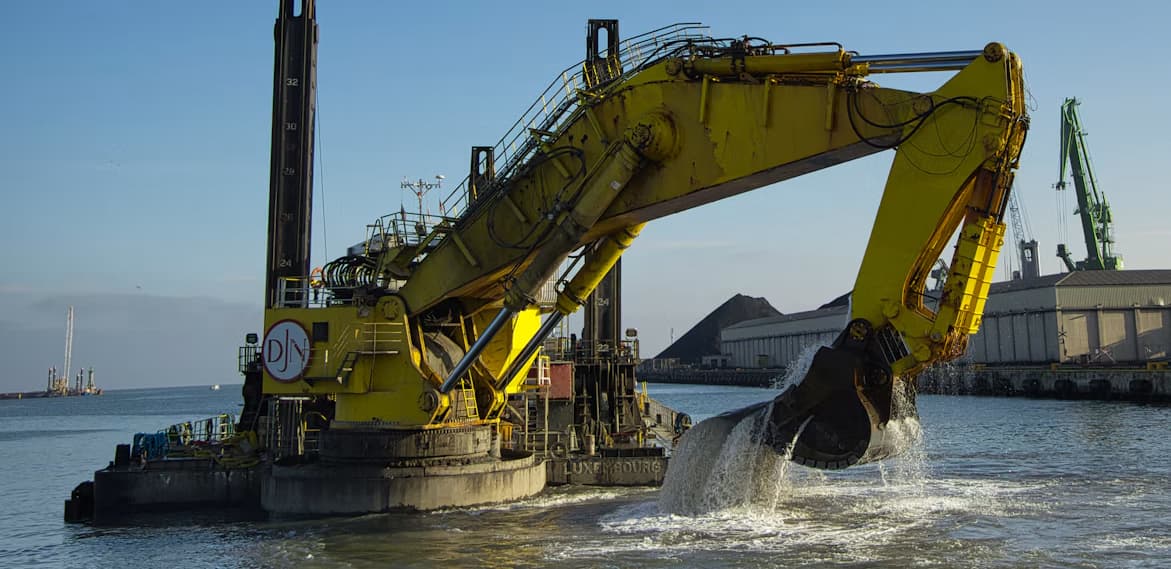 NAVAL INFRASTRUCTURE
Ormara Naval Base Dredging
Comprehensive underwater excavation, sediment extraction, and coastal navigation channel restoration executed under rigorous maritime security standards at Ormara Naval Base.
Case Study
 HIGHWAY INFRASTRUCTURE
Reflective Road Stud Installation
Precision road safety contracting delivering heavy-duty reflective cat eye road studs, engineered epoxy anchoring, and lane demarcation across industrial arterial routes.
Case Study
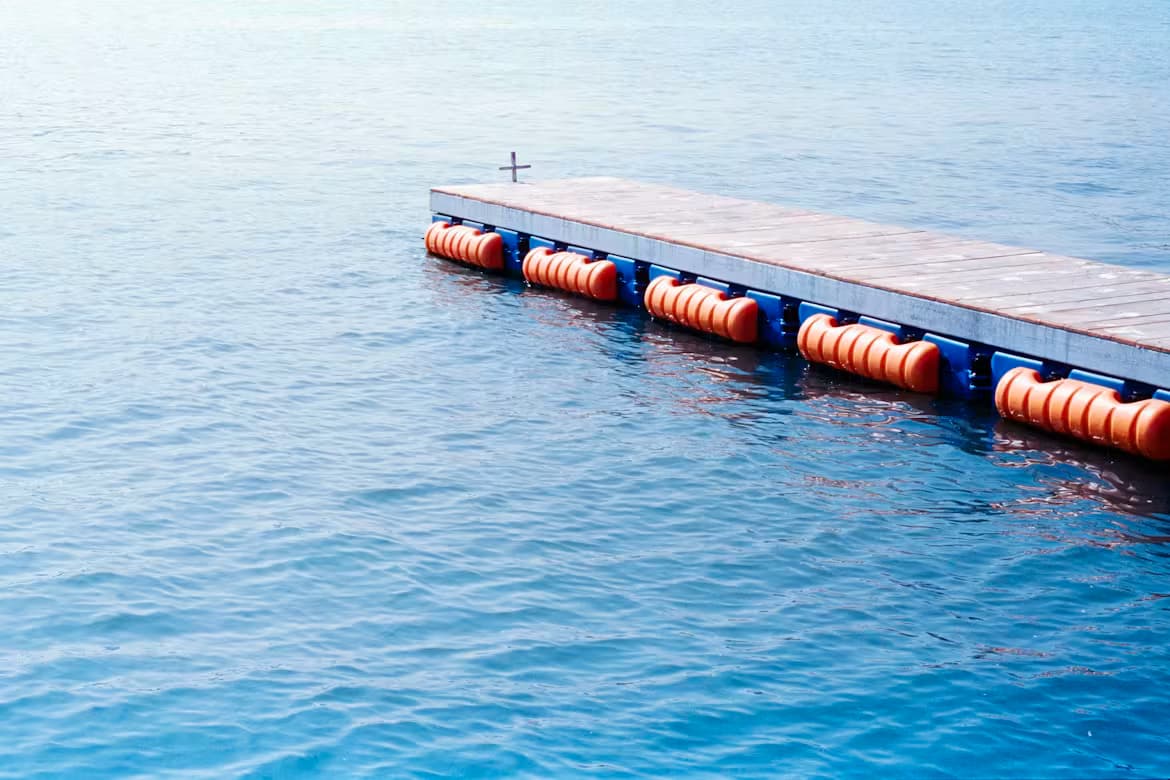 MARINE BERTHING SAFETY
Marine Balloon Fender Installation
Supply, assembly, and precision rigging installation of heavy-duty pneumatic balloon fenders designed to absorb high-kinetic energy berthing impacts at active cargo jetties.
Case Study
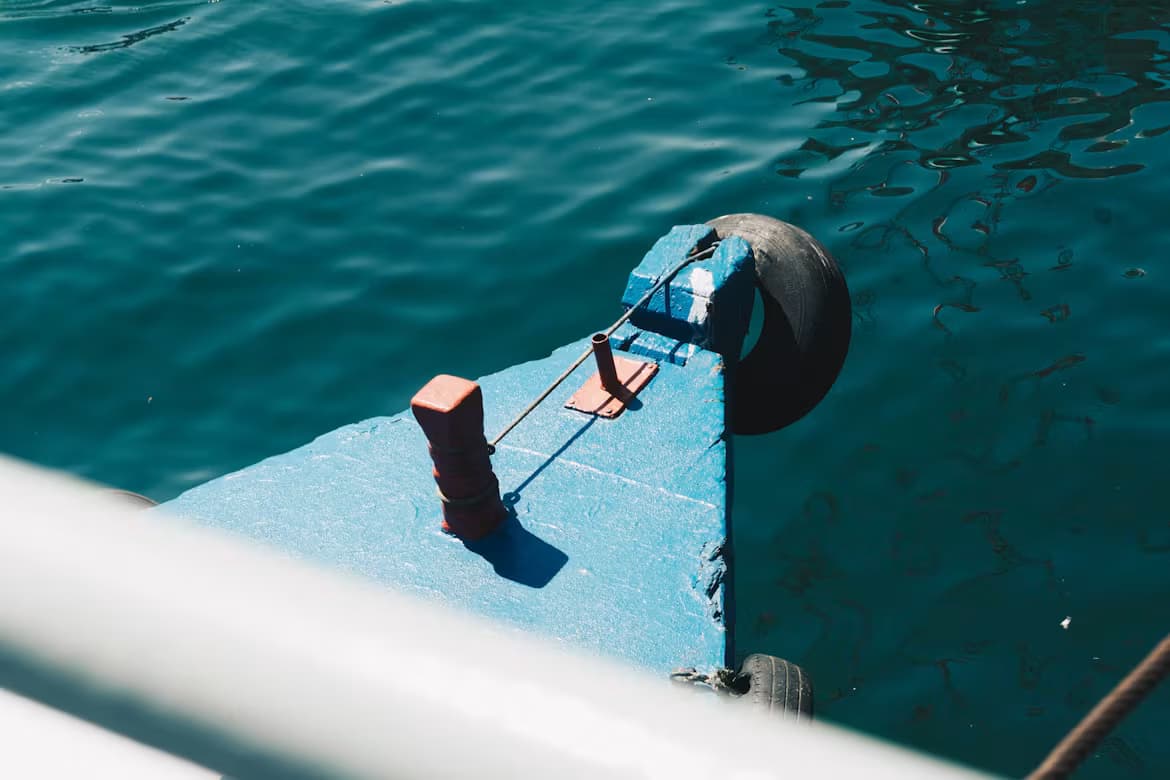 OFFSHORE BERTHING
Dolphin Fender Installation
Specialized installation of heavy cylindrical and cone rubber dolphin fenders onto offshore berthing piles designed to withstand extreme vessel contact during deep-sea mooring.
Case Study